Events Around the Bay
San Francisco 2026-2027 Opera Season Showcases International
Partnerships with Lithuania and Israel
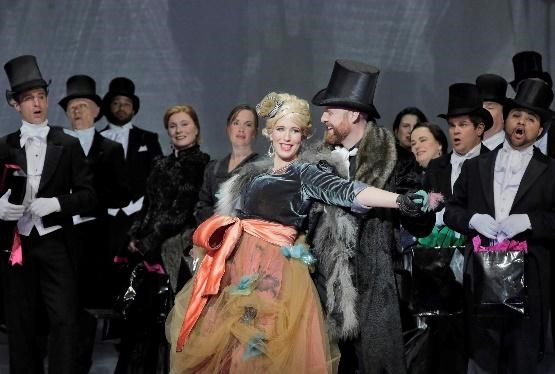 Don’t miss San Francisco Opera co-production of Jules Massenet’s “Manon’ with Lithuanian National Opera & Ballet Theatre and The Israeli Opera as they showcase it to the Bay Area opera lovers on October 15 (7:30 p.m.), 18 (2 p.m.), 21 (7:30 p.m.), 24 (7:30 p.m.), 27 (7:30 p.m.), 30 (7:30 p.m.); November 1 (2 p.m.), 2026.
San Francisco Opera’s 104th 2026/2027 Season opens on September 12 with the magnificent and mesmerizing productions of the “Simon Boccanegra” by Giuseppe Verdi followed with the dancing the night away at the fun and festive Opera Ball taking place at the War Memorial Opera House and after opera party at San Francisco City Hall. The season continues with the stunning productions of “Mary, Queen of Scots” by Thea Musgrave; “The Marriage of Figaro” by Mozart; “Strauss in Concert”, an evening dedicated to the music of Richard Strauss. “Das Rheingold” by Richard Wagner; “Tosca” by Puccini; and “Pride Concert” by SF Opera and guest artists.
Music Director Eun Sun Kim leads the San Francisco Opera Orchestra
Information
San Francisco Opera Box Office at 301 Van Ness Avenue, call (415) 864-3330 or visit sfopera.com.
Photos courtesy of SF Opera
 Museum Program Explores Quilting as a Witness to History
July 15, 2026 at 5:30pm
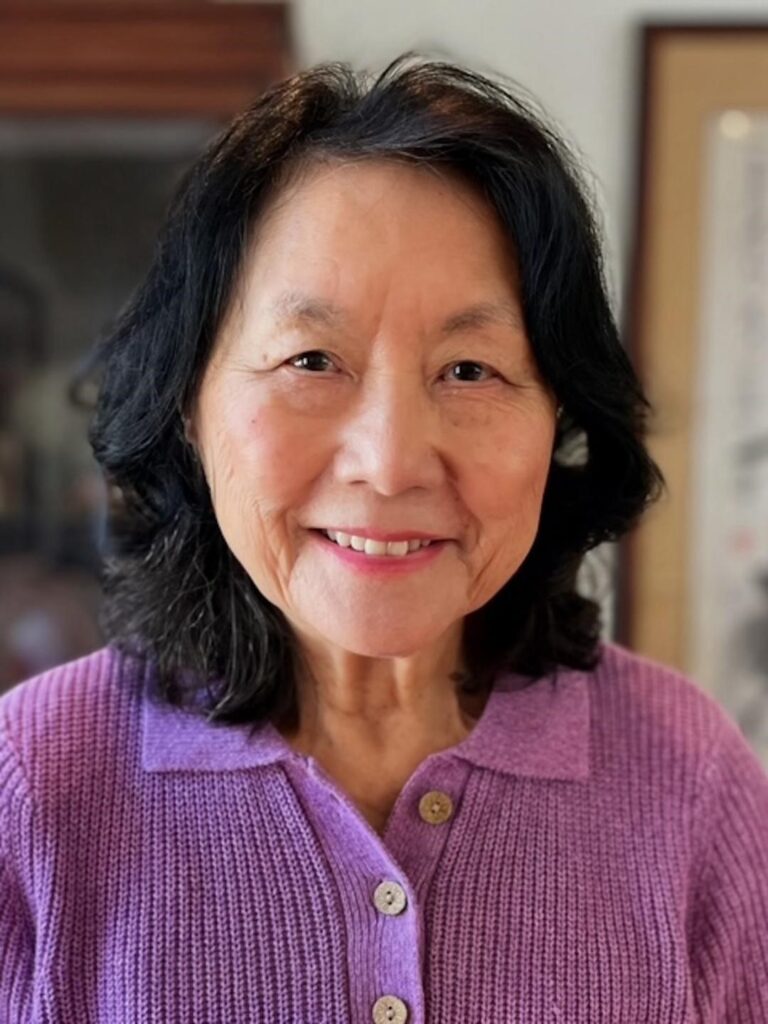
In 1974, a diverse group of women gathered over a potluck at the home of quilter and political cartoonist Genny Guracar to discuss crafting a quilt that would represent the people’s history of America. The resulting patchwork document—and its relevance today—is the focus of an upcoming program at Los Altos History Museum titled American Patchwork: The Making of the People’s Bicentennial Quilt. Historian Connie Young Yu will share how the quilt emerged in response by a group of women to the commercialization of America’s Bicentennial celebrations.
“Each of the 45 squares represents a forgotten or misrepresented incident in U.S. history,” she said, “many of them stitched by a woman with an ancestral or personal connection to the American story she chose.” Yu will discuss the 1976 book she wrote, The People’s Bicentennial Quilt with the text on each quilt square, and she will also talk about the color version published in 2010 titled Patchwork History: The People’s Bicentennial Quilt, available for purchase at the Museum’s store. The quilt’s squares include Emancipation Proclamation, Trail of Tears, Equal Education, The Women’s Vote, and Chinese Labor on the Railroad. A vinyl panel reproduction of the quilt is on display through November 8 in the Museum’s current exhibition, The Spirit of ’76: Reflecting on America’s Bicentennial. Connie Young Yu is a fourth-generation Californian who has lived in Los Altos Hills since 1970. Among her many works, she is the author of Chinatown, San Jose, USA and co-editor of Voices from the Railroad: Stories by Descendants of Chinese Railroad Workers. In 2025, she received an Award of Excellence from the American Association for State and Local History for her work preserving the history of Chinese Americans in California.
Information
Los Altos History Museum in Los Altos
Cost to the talk is $15, or free for Museum members. Register at losaltoshistory.org/BicentennialQuilt.
Photo of Connie Yu courtesy of Los Altos History Museum
 Glorious summer with San Francisco Symphony and “Matilda”
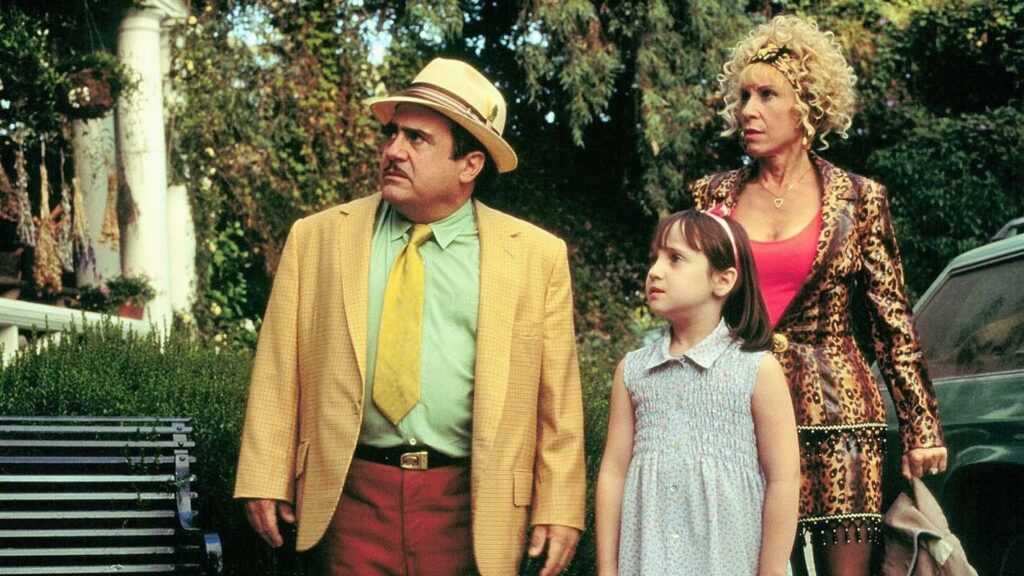
“Matilda”
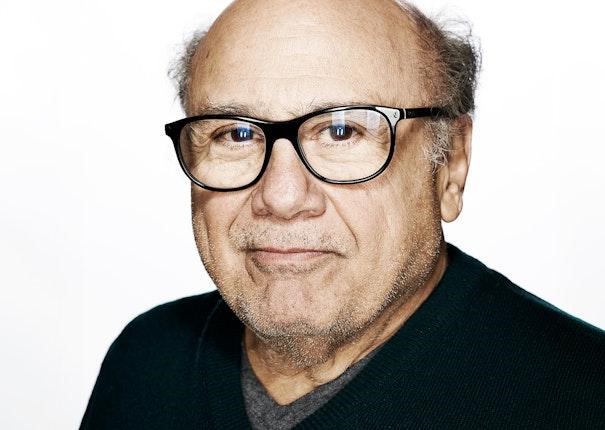
Film with SF Symphony’s Live Orchestra and Narration by Hollywood Actor/Director Danny De Vitto.
July 25 & 26, 2026
Hosted and narrated live by director and beloved star Danny DeVito, the whimsical modern fairytale Matilda comes to life on the big screen as composer David Newman conducts his enchanting score live-to-picture!
Based on the book by Roald Dahl, Matilda tells the larger-than-life story of a little girl gifted with genius intelligence and magical powers which she uses to survive her self-absorbed parents and an evil headmistress. Wow! This should be interesting and not to be missed…
Information
Kids’ Tickets Half-Off!
Part of SUMMER WITH THE SYMPHONY.
Davies Symphony Hall
201 Van Ness Ave in San Francisco
sfsymphony,org
Photo courtesy of SF Symphony
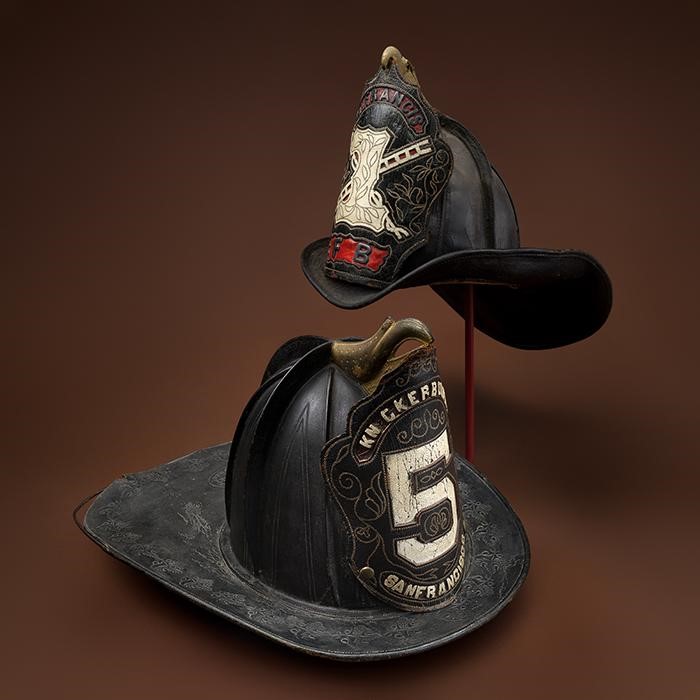 Heroes of the City: “Early Firefighters of the San Francisco” Exhibit at SFO
Now on view through May 23, 2027: On View at Harvey Milk Terminal 1; SF Airport
Departures Level 2, Gallery 1E – Post-Security (photo courtesy of SFO)
As San Francisco rapidly grew from a small village into a bustling city during the chaotic early years of the California Gold Rush, the city’s firefighters heroically battled one devastating blaze after another in a landscape often rebuilt with materials that made it susceptible to fire. Between 1849 and 1852 alone, the city was nearly burned down six times. The San Francisco Fire Department was established in 1849. Among its leading organizers were David C. Broderick (1820–59)—foreman of the Empire Engine Company and later a California State and U.S. Senator—and Frederick D. Kohler (1810–64), who became the first Chief.
Both men had prior firefighting experience in New York City before arriving in San Francisco in 1849. At first, all firefighters were volunteers who risked their lives without compensation. Fire companies were often organized among comrades—many of whom had prior firefighting experience and shared connections to the same cities, regions, or countries. These companies adopted names such as Empire, Knickerbocker, Pennsylvania, and Lafayette. They were supported by the city and by donations from citizens, which provided engines, equipment, and firehouse buildings. Firehouses were lively centers of activity, with garages below for engines and carts and living quarters above for the firemen. They also functioned as social clubs where volunteers gathered and hosted community events. In the early years, firefighters used tow-ropes to pull heavy hand-pumped fire engines, as well as hose and ladder carts, to fire on foot while navigating the city’s steep hills. At night, young volunteers known as “torch boys” ran ahead to light the way. Competition between companies was fierce. Fire crews often raced one another to reach a fire, turning the urgent dash into an impassioned test of strength, speed, and pride. In 1866, San Francisco established a professional, paid fire department. Over time, as the city expanded, the department transitioned to horse-drawn steam engines and carts, and by 1921, it became fully motorized. This exhibition explores the early decades of the San Francisco Fire Department and pays tribute to those brave firefighters who, driven by duty, battled danger, smoke, and flames to save lives and protect their city. A very special thank you to the Guardians of the City Museum and Michael McDowell for making this exhibition possible.
By Lina Broydo